 By Coco
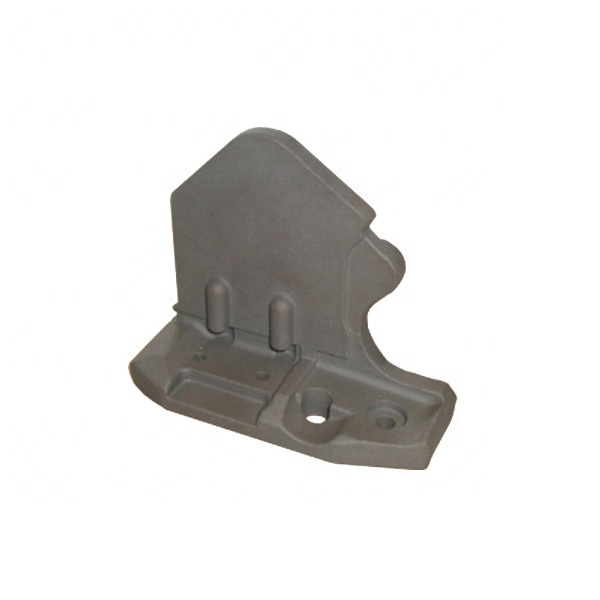
A hanger is often judged by the fit of its suspension connection and the path through which the supported load is transferred. This review of Support Hanger B addresses pins, contact surfaces and movement at the joint. The words “manganese steel” in a catalogue title still require a complete, approved material specification.
Define the suspension arrangement
Show the supported member, hanger orientation and the interfaces that carry the load. Identify whether the connection is intended to rotate, slide or remain fixed. A pin diameter alone does not define the surrounding joint. Include the mating clevis, spacers, retainers and the available installation space so the supplier can review the complete interface.
Specify bearing surfaces and movement
Mark the bores or contact pads that require machining, together with their alignment and surface requirements. If a replaceable bush is used, define its fit and installation responsibility. The designer should establish clearances for the actual operating condition. Do not assign a generic loose or tight fit solely because the part is called a hanger.
Review access for assembly and maintenance
Check how the pin or fastener is inserted and removed after surrounding equipment is in place. Provide clearance for retainers and maintenance tools. Consider whether wear parts can be replaced without damaging the casting. An accessible manufacturing feature can become inaccessible in the installed assembly, so review the maintenance envelope before ordering.
Align material and inspection records
State the approved alloy, heat-treatment condition and required material evidence. Identify the joint surfaces and transitions that need recorded inspection. Any supplier proposal to change a bore, wall or material should return to the designer for approval. Keep first-article fit checks separate from the assessment of the hanger’s permissible service load.
An effective hanger enquiry includes both the casting drawing and its mating pin assembly. Related supports can inform process discussions, but each suspended connection needs its own dimensional and engineering acceptance plan.
Related reading: Support D Manganese Steel Casting Parts; Investment Casting Mechanical Components.
Get Investment Casting
Join Hengke Metal Newsletter to get more information of different premium investment casting in China.