 By Coco
Agricultural machinery contains components with very different duties: ground-contact wear, rotating interfaces, structural support and fluid handling should not be treated as one product requirement. A useful casting enquiry begins with the component’s actual work and the interfaces it must preserve, rather than with the general label “agricultural machinery”.
Describe the working environment
Identify whether the part contacts soil, crop material, water, fertilizer or cleaning chemicals. Explain the expected movement and the designer’s loading requirements. Field observations can help describe damage or replacement needs, but they should not be converted into an unverified service-life promise. Material and surface proposals need review against the actual exposure.
Choose a manufacturing route for the geometry
Provide the drawing and material requirement before comparing casting, fabrication and machining proposals. Consider internal passages, repeated features, machining access and the intended quantity. Ask each supplier to state the supplied condition and any proposed changes. A process name alone does not demonstrate that the finished part will meet the machine’s interfaces.
Keep similar variants under control
Distinguish components by part number, drawing revision, material and assembly configuration. Catalogue masses such as 11kg or 15kg are references, not a substitute for this identification. If a design changes, state whether old and new versions are interchangeable. Clear variant control prevents a visually similar component from reaching the wrong machine.
Define practical inspection and delivery evidence
Highlight mounting faces, bores, wear interfaces and any surfaces needing measured results. Specify material records, treatments and examinations required by the purchaser. Include packaging protection for functional surfaces and a traceable identifier for replacement orders. A complete enquiry makes the path from approved drawing to usable field component visible.
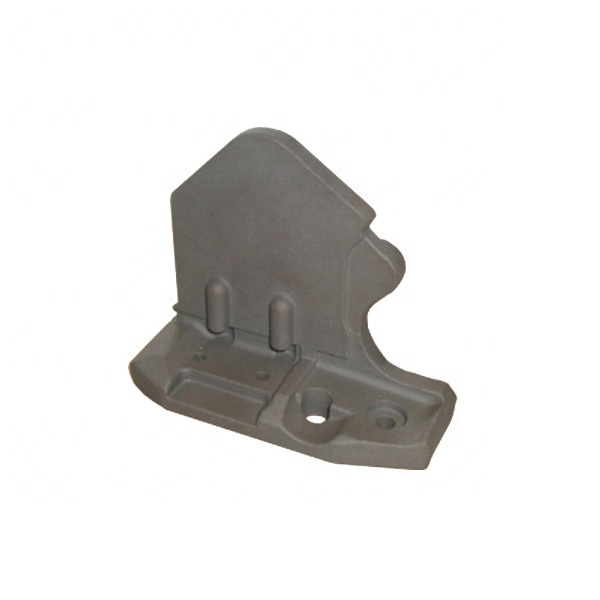
Start with the specific agricultural part drawing and service conditions. The separate Q235B 15kg and 11kg guides illustrate why similar catalogue descriptions should remain configuration-specific.
Related reading: Agriculture Machinery Q235B | 15kg; Agriculture Machinery Q235B | 11kg.
Get Investment Casting
Join Hengke Metal Newsletter to get more information of different premium investment casting in China.