 By Coco
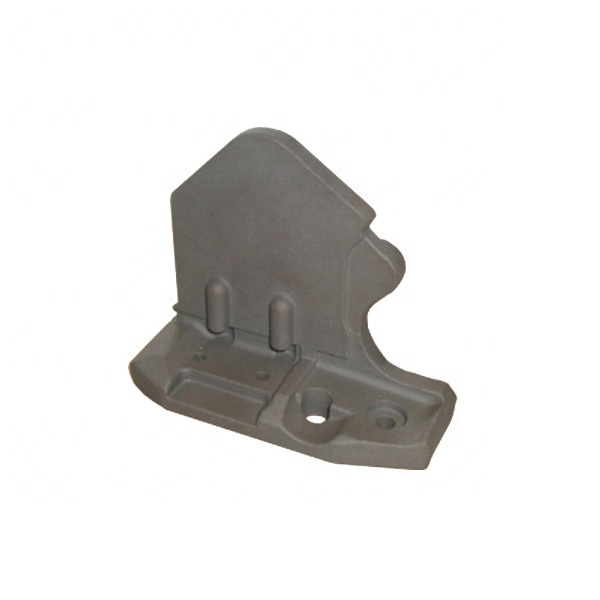
A base support transfers equipment loads into a mounting surface, but successful installation also depends on alignment, access and the condition of that surface. Base Support A is considered here as an installation interface. Its catalogue designation is not a specification for allowable load or foundation design.
Define the installed contact
Show whether the support sits directly on a machined surface, on adjustable elements or on an engineered bedding arrangement. Identify the intended contact pads and any areas that must remain clear. Do not assume that the entire rough casting underside is a functional mounting face. The installation drawing should explain how the support is located and levelled.
Set usable geometric requirements
Specify the mounting surfaces and their relationship to the equipment locating features. Decide which dimensions are checked on the free component and which are established during installation. A flatness instruction without a defined surface or measurement condition can produce inconsistent acceptance. Include the bolt-hole positions and tool access in the same review.
Plan for fastening and adjustment
Confirm the fastening arrangement, clearance for tightening tools and any need for shims or adjustment. The designer should establish the required preload or installation method. Casting geometry should allow the approved hardware to be fitted without improvised cutting or grinding on site. Where adjustment is expected, show its limits and final locking method.
Document the handover condition
List the finished surfaces, protective treatments, identification and dimensional records to be supplied. Include handling instructions where poor support during transport could damage a machined pad. Keep installation acceptance separate from the foundry’s dimensional acceptance. Both are useful, but they address different stages of the equipment’s load path.
Include the foundation or mating-frame sketch with a Base Support A enquiry. A marked installation drawing helps connect the casting quotation to the work required for final alignment and fastening.
Related reading: Investment Casting Mechanical Components; Customized Carbon Steel Casting.
Get Investment Casting
Join Hengke Metal Newsletter to get more information of different premium investment casting in China.