 By Coco
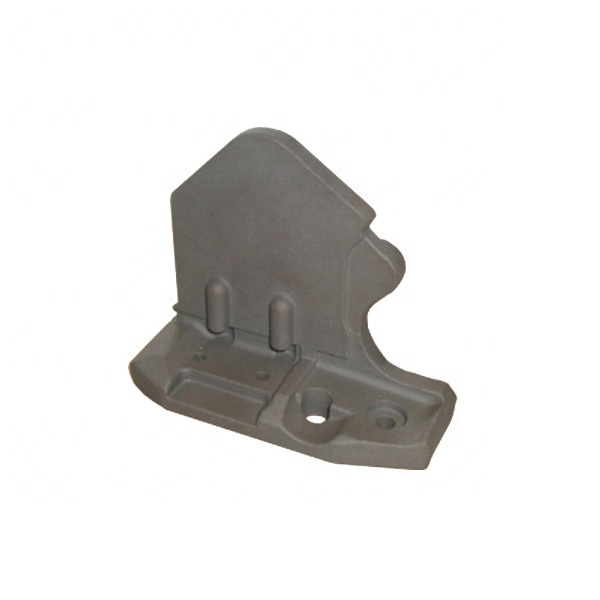
A bracket subjected to repeated loading needs a different review from a part carrying an occasional static load. For Bracket E, this guide focuses on transitions, attachment details and inspection planning for cyclic service. The catalogue identifier does not establish that the part has been fatigue tested.
Describe the load history
State the direction and frequency of loading, expected operating cycles and any occasional overload events known to the designer. Include the location of attached equipment and the supporting structure. A nominal force without its application point gives an incomplete picture of the bracket’s duty. Let the responsible engineer define the required fatigue assessment and acceptance basis.
Review transitions on the approved geometry
Pay attention to changes in section, hole edges, ribs and junctions between arms and mounting pads. Discuss castability and machining access before freezing the shape. Proposed radius or wall changes should return to the designer for approval. A foundry’s manufacturing suggestion should not silently become a change to the bracket’s structural design.
Control finishing on important surfaces
Identify surfaces where grinding, blending or machining could alter the intended transition. Agree what finishing is permitted and how the result is documented. Removing a visible surface indication is not automatically an acceptable repair. If local dressing or welding is proposed, establish the approval and reinspection procedure before production begins.
Use inspection that answers the design concern
Select examination methods and acceptance criteria appropriate to the specified material, geometry and service. Record the areas examined and the condition of the part during inspection. A general “100% checked” statement does not explain what was measured or which types of indication were assessed. Keep the test plan tied to the drawing and the engineering assessment.
For a cyclic-duty bracket, include the load history and identify critical transitions in the enquiry. Related mechanical castings provide process options, while the engineering review establishes the actual design requirements.
Related reading: Investment Casting Mechanical Components; Customized Carbon Steel Casting.
Get Investment Casting
Join Hengke Metal Newsletter to get more information of different premium investment casting in China.