 By Coco
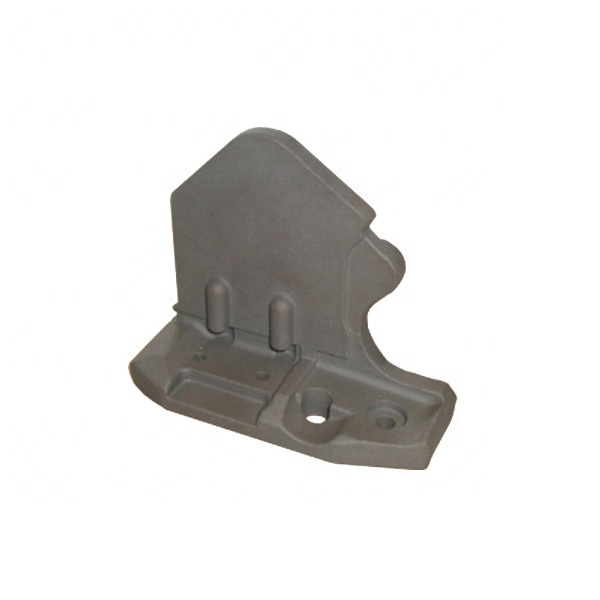
A support used near vibrating equipment needs attention to the attachment arrangement as well as the casting itself. For Support B, this guide examines interface definition, fastening access and repeatable inspection. It does not claim that the catalogue part has a particular vibration rating or damping performance.
Describe the equipment’s operating movement
Identify the supported machine, operating arrangement and known sources of repeated movement. Supply the designer’s loading and fastening requirements instead of asking the supplier to infer them from a motor size or component weight. If resilient elements are used, show their position and interfaces. Keep their selection separate from the material specification for the support casting.
Review the complete fastened joint
Include the fasteners, mating surfaces, washers and any locating devices in the assembly information. Check tool access with surrounding equipment in place. The required tightening method and any retention feature should come from the approved design. Adding material to the casting does not resolve an attachment joint that has not been properly defined.
Specify the interfaces that must repeat
Identify mounting-face geometry, hole position and any registers that establish alignment. Agree the datum arrangement for machining and inspection. If the support is removed during maintenance, consider how its original position will be restored. Repeatability should be an inspectable feature of the interface rather than an expectation based on trial fitting.
Use service observations without inventing ratings
Photographs of fretting, loose fasteners or surface damage can help explain a replacement enquiry. They are observations, not a complete diagnosis of the original failure. Have the equipment designer assess the cause and approve any changed geometry or material. Record the approved revision so the replacement does not reproduce an unresolved installation problem.
Submit the mounting assembly and maintenance access envelope with the Support B drawing. Compare related brackets by their specified interfaces, not by a general claim that one casting is stronger or more vibration resistant.
Related reading: Investment Casting Mechanical Components; Bracket C.
Get Investment Casting
Join Hengke Metal Newsletter to get more information of different premium investment casting in China.