 By Coco
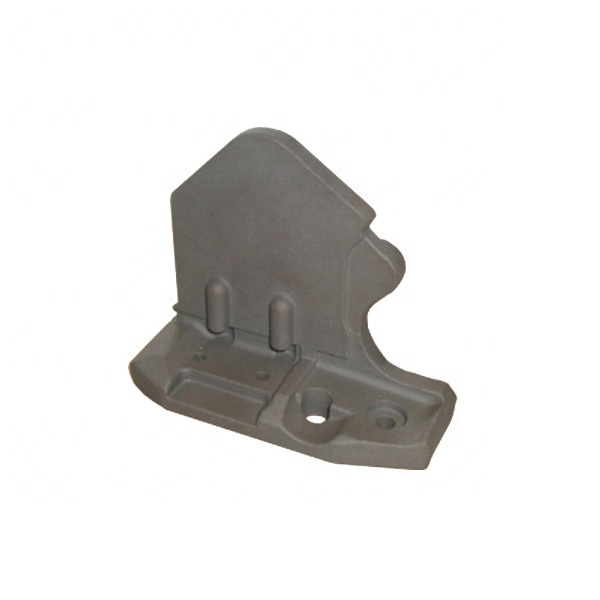
The useful starting point for Support A is the load path between the supported item and the foundation or frame. A support may be simple in appearance while carrying eccentric loads or relying on a small contact area. This guide focuses on defining those interfaces before selecting a material or manufacturing route.
Show where the load enters and leaves
Provide the supported assembly and identify the actual contact surfaces. Mark the location and direction of design loads, including any offset from the mounting plane. Let the responsible engineer establish the load cases and acceptance basis. The supplier should not have to interpret a general request for a “heavy-duty support” as a complete structural specification.
Distinguish contact from clearance
Identify the pads, seats or shoulders that are intended to carry load and the areas that merely surround them. Specify any mating surface requirements. Casting an unnecessarily large contact region can make installation harder if the design actually depends on discrete machined pads. The drawing should make the intended contact condition clear.
Coordinate fastening with the support geometry
Show the bolt pattern, fastener access and the relationship between holes and locating features. Consider whether a tool can reach each fastener after the supported item is installed. Define any approved adjustment or shimming method. Avoid changes made on site simply to fit a washer, insert a bolt or remove interference.
Agree how conformity will be demonstrated
List the finished dimensions and material records required for the support. Specify the examination areas and acceptance criteria where the engineering design calls for them. A sample can demonstrate assembly fit, but its appearance does not establish the permissible load. Maintain a clear distinction between manufacturing conformity and structural design approval.
Include an assembly sketch and the load application points in the Support A enquiry. Related mechanical castings are useful references for production planning, while the approved support drawing defines the actual product.
Related reading: Investment Casting Mechanical Components; Base Support A.
Get Investment Casting
Join Hengke Metal Newsletter to get more information of different premium investment casting in China.