 By Coco
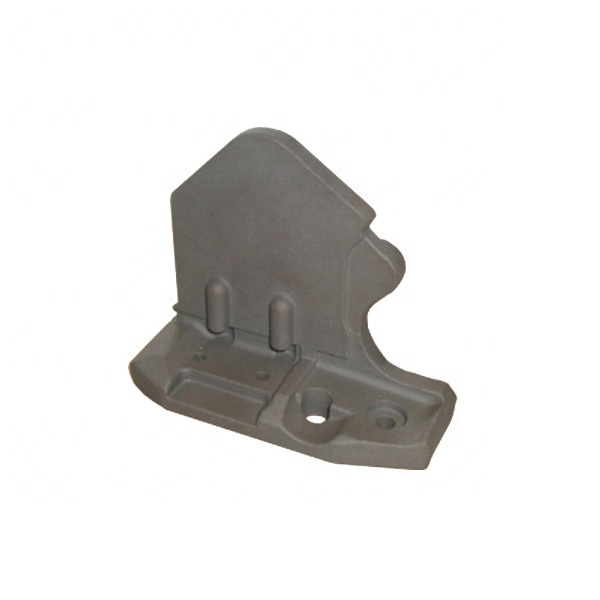
A support arm can place the supported load away from its mounting plane. That offset makes the attachment and working-end geometry important to both engineering review and dimensional acceptance. Support Arm A is discussed here as an interface-defined component, without assuming a particular arm shape or load capacity.
Locate the actual load application
Provide the supported item and show the location and direction of the design loads. Include the installed orientation and the surrounding assembly. An arm length or component mass alone is not a complete load case. The responsible engineer should establish the required structural assessment and identify important transitions or attachment regions.
Connect the working end to the mounting datum
Specify how the end interface is positioned relative to the mounting faces and locating features. Select datums that reproduce the intended assembly. If the arm supports a shaft, pin or other aligned component, provide the relevant mating information. Measuring the outside profile does not demonstrate the location of that functional interface.
Review manufacture without changing the design silently
Discuss section transitions, machining access and possible casting-process constraints before tooling. Proposed changes to ribs, radii or local thickness should be submitted for approval. An adjustment that simplifies casting can affect access or structural behaviour in the installed arm. Capture approved changes in the controlled drawing and inspection plan.
Plan first-article and installation checks
Identify the dimensions and surfaces that require recorded measurement, and state whether a representative fit trial is needed. Keep installation alignment checks distinct from loose-part inspection. If the arm is a replacement for a worn component, document wear and repairs separately from nominal geometry before reconstructing the manufacturing drawing.
An assembly sketch with the load point marked is useful alongside the Support Arm A drawing. Related support and bracket articles can guide the discussion of datums, attachment and manufacturing evidence.
Get Investment Casting
Join Hengke Metal Newsletter to get more information of different premium investment casting in China.